
Influencer marketing has become one of the most effective tools in modern communication, but it has also changed significantly over the past few years. What started as a trend largely driven by celebrities and large social media personalities has developed into something far more strategic and, in many cases, far more authentic.
A few years ago, brands often chose influencers based on one simple metric: the size of their following. If someone had hundreds of thousands of followers, the assumption was that they would automatically deliver reach and visibility. Campaigns were frequently limited to a once off sponsored post or product placement, with very little consideration for whether the influencer genuinely connected with the brand or its audience.
Audiences have become far more discerning since then. Social media users can quickly recognise when a promotion feels forced or purely commercial. As a result, the focus has shifted away from follower numbers and towards credibility, relevance and authenticity. Today, influence is less about how many people someone reaches and more about how strongly they connect with the audience that follows them.
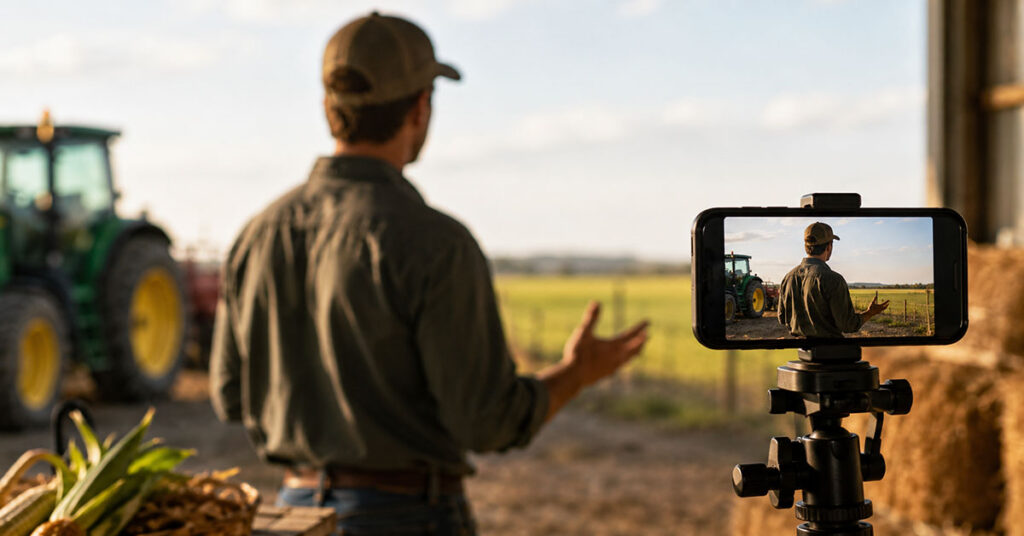
This shift has opened the door for a different kind of influencer. Instead of relying only on celebrities or lifestyle personalities, organisations are increasingly working with people who already have credibility within specific communities. In sectors like agriculture, for example, authenticity carries significant weight. People respond far more positively to individuals who understand the realities of the industry and who speak from lived experience.
At Edge Communications, we recently saw this dynamic play out in a collaboration between one of our clients, agricultural union TLU SA, and Boer Soek ’n Vrou participant Daandré Coetzee. As someone who is both a farmer and a recognisable personality from a well known television programme, Daandre occupies a unique space between mainstream media visibility and genuine agricultural credibility.
The collaboration generated strong engagement and positive publicity precisely because it felt natural. Rather than a brand pushing a message through traditional advertising, the conversation took place through someone who already resonates with both the farming community and a broader South African audience. It illustrates how influencer partnerships can extend a message beyond an organisation’s existing platforms while still maintaining authenticity.
Of course, influencer marketing is not without its risks. One of the most common mistakes organisations make is choosing an influencer purely based on visibility. A large following does not automatically translate into meaningful influence, and if the individual’s values or behaviour do not align with the organisation, the partnership can quickly create reputational challenges.
The digital landscape also moves quickly. Influencers who are highly relevant today may not hold the same influence tomorrow as audiences shift between platforms and trends evolve. This is why successful influencer partnerships are rarely accidental. They require careful research, a clear understanding of the audience and strong alignment between the influencer’s voice and the organisation’s message.
For agencies and communication professionals, the lesson is straightforward. Influencer marketing works best when it is approached strategically and when the partnership feels credible to the audience. When those elements are in place, the result is not just visibility, but genuine engagement.
In the end, people still trust people more than they trust brands. Influencer marketing simply builds on that reality. When the right voices are part of the conversation, the message travels further and carries far greater impact.


